Date not listed

Sukhāvatīvyūha

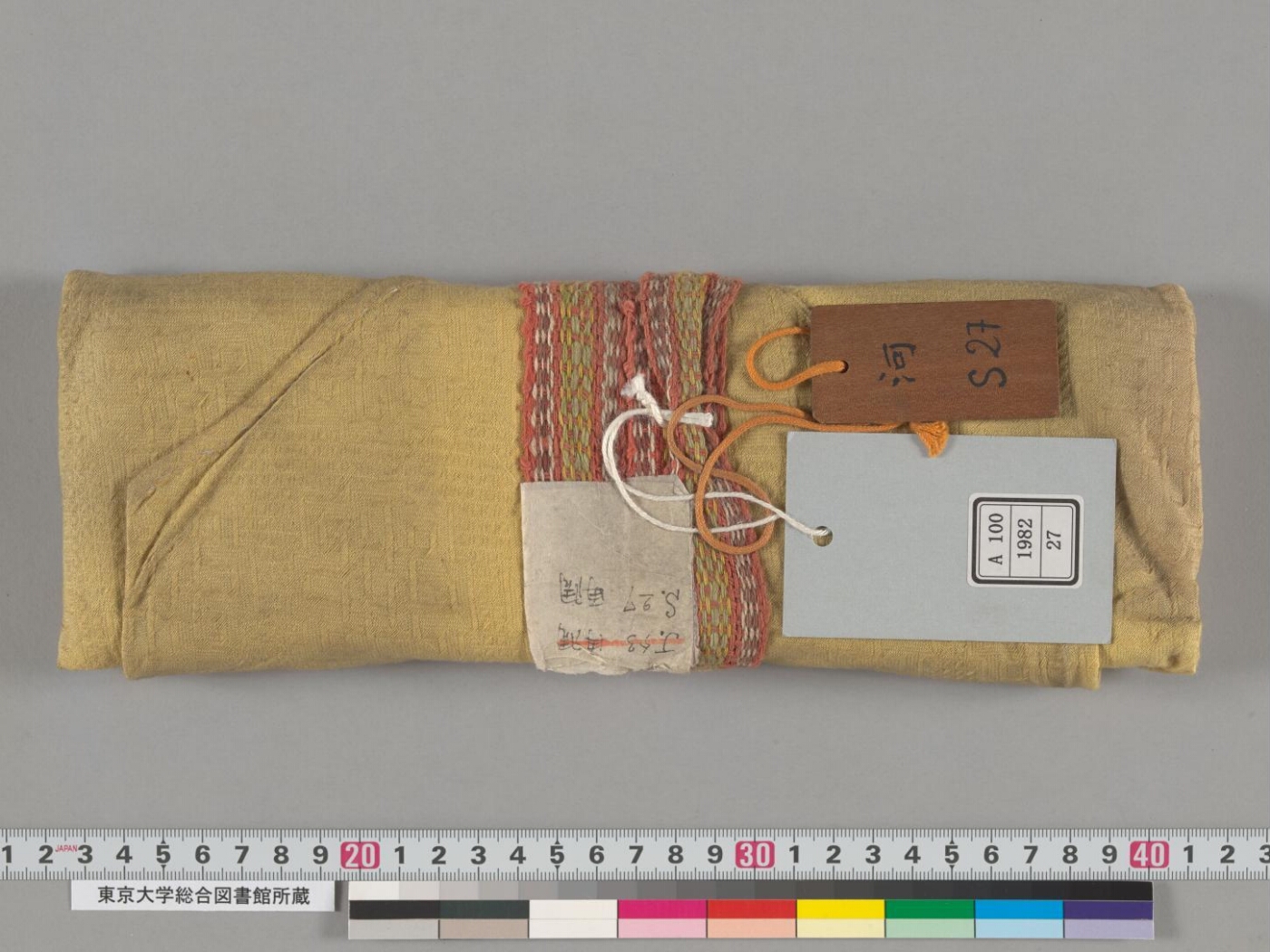
MATSUNAMI-468 · General Library, The University of Tokyo

Sanskrit Nepālākṣara Script Mahāyāna-sūtra PANDiT Listed
Repository General Library, The University of Tokyo
Reference No. MATSUNAMI-468
Language Sanskrit
Date Date not listed

About this Manuscript

This is the larger Sukhāvatīvyūha-mahāyānasūtra text. It speaks of the Buddha Amitābha (or Amitāyus) and the Pure Land, also known as the Blessed Land. It describes people who perform good deeds and direct their thoughts toward enlightenmen...

Digital Facsimile Viewer
Mirador Viewer
Sukhāvatīvyūha manuscript folio preview Loading Mirador Viewer
MATSUNAMI-468 · General Library, The University of Tokyo

Catalogue Metadata

Title Sukhāvatīvyūha
Alternative Titles Sukhāvatī-vyūha-mahāyāna-sūtra' (Matsunami)
Repository General Library, The University of Tokyo
Reference Number MATSUNAMI-468
Language Sanskrit
Script Nepālākṣara
Subject Classification Mahāyāna-sūtra
Date Date not listed
Place of Origin Japan
IIIF Manifest Public IIIF manifest available

Subjects & Keywords

Mahāyāna-sūtra

Transmission History

c. 1st Century BCE
Composition — The earliest Prajñāpāramitā texts are believed to have originated in South Asia among Buddhist communities.
c. 2nd Century CE
Expansion and commentary — Scholarly commentaries and related textual traditions begin to establish the work as a central philosophical source.
4th–7th Century CE
Translation and circulation — The text travels through monastic and scholarly networks and is translated into other Asian languages.
8th–12th Century CE
Manuscript transmission — Sanskrit manuscript copies multiply across regions including Nepal and North India.
Medieval Period
Regional copying — The manuscript tradition continues through scribal networks, temples, monasteries, and private collections.
Modern Period
Collection and cataloguing — The manuscript enters institutional or scholarly collections and becomes part of cataloguing initiatives.
SAMHiTA Enhancement
Digital access — SAMHiTA enhances the record and links the manuscript to digital discovery and IIIF viewing infrastructure.

Opening Lines (Incipit)

Sanskrit · Devanagari Script
॥ ॐ नमो भगवत्यै आर्यप्रज्ञापारमितायै । एवं मया श्रुतम् — एकस्मिन् समये भगवान् राजगृहे विहरति स्म गृध्रकूटे पर्वते महता भिक्षुसंघेन सार्धम्…
oṃ namo bhagavatyai āryaprajñāpāramitāyai | evaṃ mayā śrutam — ekasmin samaye bhagavān rājagṛhe viharati sma gṛdhrakūṭe parvate mahatā bhikṣusaṃghena sārdham…

Translation: "Om. Homage to the Perfection of Wisdom. Thus have I heard — at one time the Blessed One was dwelling at Rājagṛha on the Vulture Peak mountain, together with a large community of monks…"

P
This manuscript is catalogued on PANDiT Prosopographical Database of Indic Texts and Records

PANDiT stores, curates, and shares reliable data on works, people, places, institutions, and manuscripts from premodern South Asia. The manuscript record links this item to its parent work, to other copies held in repositories worldwide, to translators and commentators, and to related intellectual lineages.