Nāmasaṃgīti
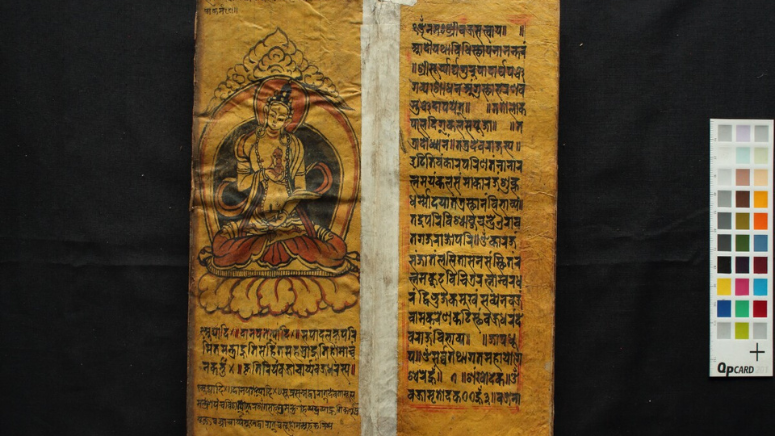
The Nāmasaṅgīti is a liturgical musical text composed in praise of Lord Buddha. This manuscript consists of numerous verses spans across folios 50 to...
South Asian Manuscript Histories and Textual Archive
सं + हिता · collection · bringing together
SAMHiTA is an initiative to create a relational database and digital archive of Indian and broadly South Asian manuscripts housed in libraries, archives and repositories outside India.
Read the Full StoryThe Nāmasaṅgīti is a liturgical musical text composed in praise of Lord Buddha. This manuscript consists of numerous verses spans across folios 50 to...
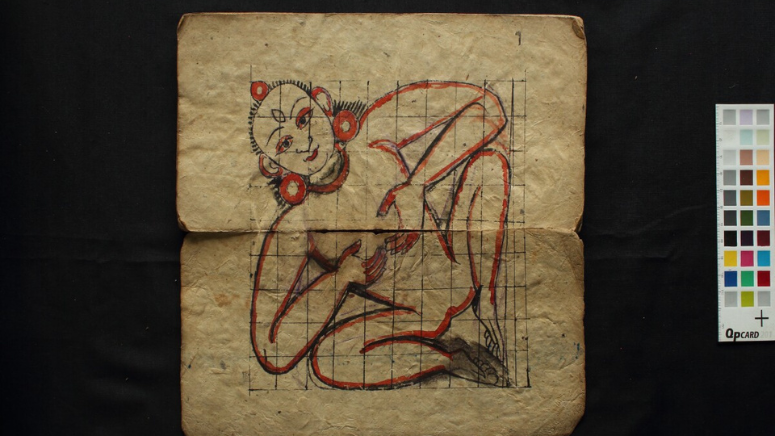
This is an unknown text. There are two folios, but the handwriting is illegible. The codex is damaged. Three types of handwriting are present and ther...
This is the larger Sukhāvatīvyūha-mahāyānasūtra text. It speaks of the Buddha Amitābha (or Amitāyus) and the Pure Land, also known as the Blessed Land...
This text is part of the larger Sukhāvatīvyūha. It speaks of the Buddha Amitābha (or Amitāyus) and the Pure Land, also known as the Blessed Land. It d...
A published manuscript record from the SAMHiTA public archive.
Creating a relational database and open digital archive of Indic manuscripts held in repositories outside India.
Partnering with the British Library, Bodleian Oxford, BnF Paris, University of Tokyo, University of Pennsylvania and more.
All collected information is shared on PANDiT — the Prosopographical Database of Indic Texts and Records.
Recovering, preserving and making accessible centuries of Indian knowledge in medicine, mathematics, philosophy and the arts.
Consolidating dispersed manuscript information on an online platform accessible to researchers, students and curious minds.
The Kriti-SAMHiTA lecture series and master classes show how manuscripts unfold centuries-old knowledge traditions.
The history of our manuscripts is intertwined with a very long history of movement of peoples, of ideas, of cultures and even scripts, across the entire space of Asia — Central Asia, West Asia, as well as Southeast Asia. This is a very exciting cultural journey in which I invite all of you to participate.
An exhibition tracing India’s contribution to global mathematics.
View Exhibition
An exhibition tracing India’s contribution to global mathematics.
View Exhibition
The Indian Civilisation’s Contribution to Mathematics, inaugurated at the United Nations Headquarters, New York.
View Exhibition
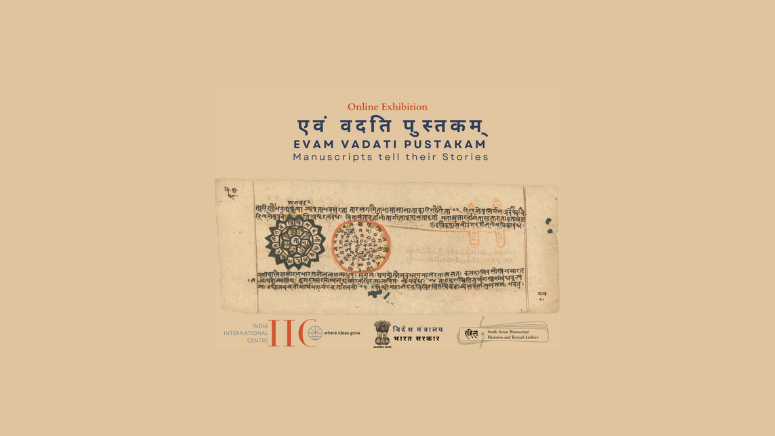
An online exhibition capturing the stories of South Asian manuscripts.
View ExhibitionMirador and Universal Viewer workflows are ready for browser validation and demo review.
Read ArticleHow manuscript records, exhibitions and public programmes support new research conversations.
Read ArticleA short update on the public archive, manuscript discovery and IIIF viewer demonstration.
Read ArticleIIC's ongoing lecture series demonstrates how manuscripts unfold centuries-old knowledge traditions and their diffusion across regions — and glimpses of everyday life in the past.
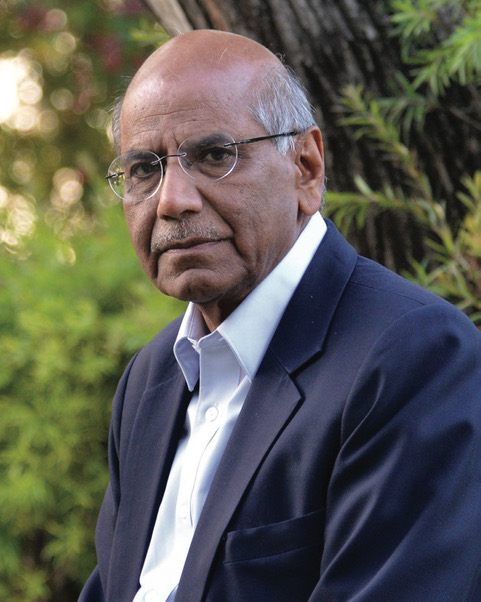
Dominik Wujastyk
University of Alberta, Canada
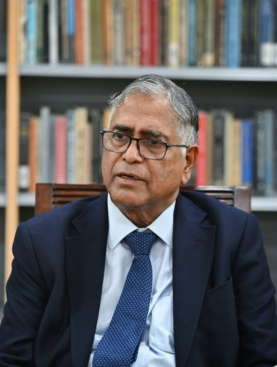
Martin Gluckman
Sanskrit Research Institute, Auroville
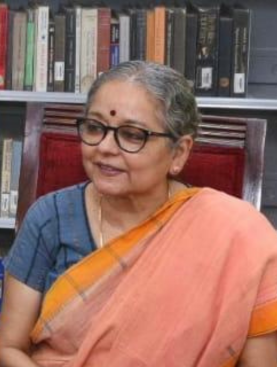
Jacob Schmidt-Madsen
University of Copenhagen
In partnership with the Sanskrit Research Institute, Auroville, SAMHiTA is mapping repositories across the world with holdings of Indic manuscripts — collating data to build a list of collections organized by institution, country, size and languages.
The Development Administration Partnership (DPA IV) of the Ministry of External Affairs is the nodal point for India's heritage restoration projects globally — contributing to the restoration of cultural heritage from Sri Lanka to Myanmar to Vietnam to Bhutan. Through SAMHiTA, the MEA extends this mission to scripture preservation and digitization of manuscripts — promoting the revival of Intangible Cultural Heritage including language, rituals, practices, and performing arts in an institutional manner, strengthening India's cultural and heritage linkages with partner nations.
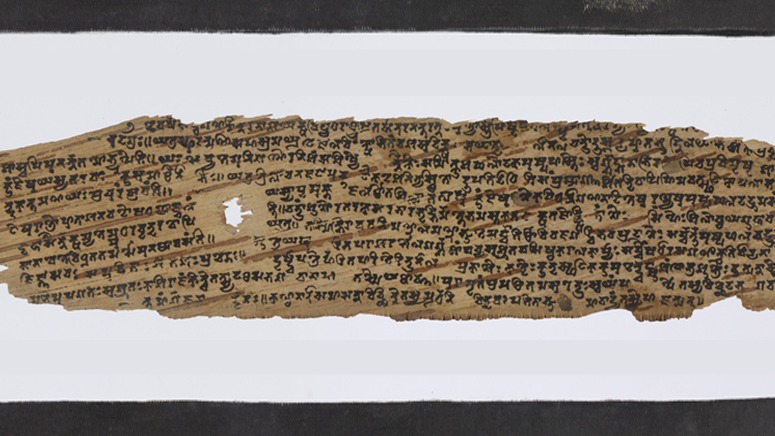
SAMHiTA organises specialised master classes on manuscript studies, palaeography, and South Asian textual traditions, open to scholars, students, and anyone with a passion for this living heritage.
Sessions bring together experts from India and the world to share practical knowledge on reading, cataloguing, preserving, and interpreting manuscripts.