Dhvajāgrakeyūrādhāraṇī and a dhāraṇī
matsunami_203 · General Library, The University of Tokyo
Introduction
About this Manuscript
The term dhvajāgra, meaning "crest insignia," refers to a symbol or emblem mounted at the end of a long pole, traditionally used as a martial ensign on the battlefield in ancient India. The Dhvajāgrakeyūrādhāraṇī is a charm that, when recited, is said to manifest as a female deity who provides protection, dispels fear, and grants blessings such as good reputation and abundance (84000). According to the text, the Buddha gives this dhāraṇī to Indra to ensure his success in battle after being overpowered by other gods (Mitra, 283). This manuscript is composite in nature, containing the Dhvajāgrakeyūrādhāraṇī alongside an unnamed dhāraṇī, which begins on folio 3a2 (Matsunami notebook 33, p. 31).
Digital Facsimile Viewer
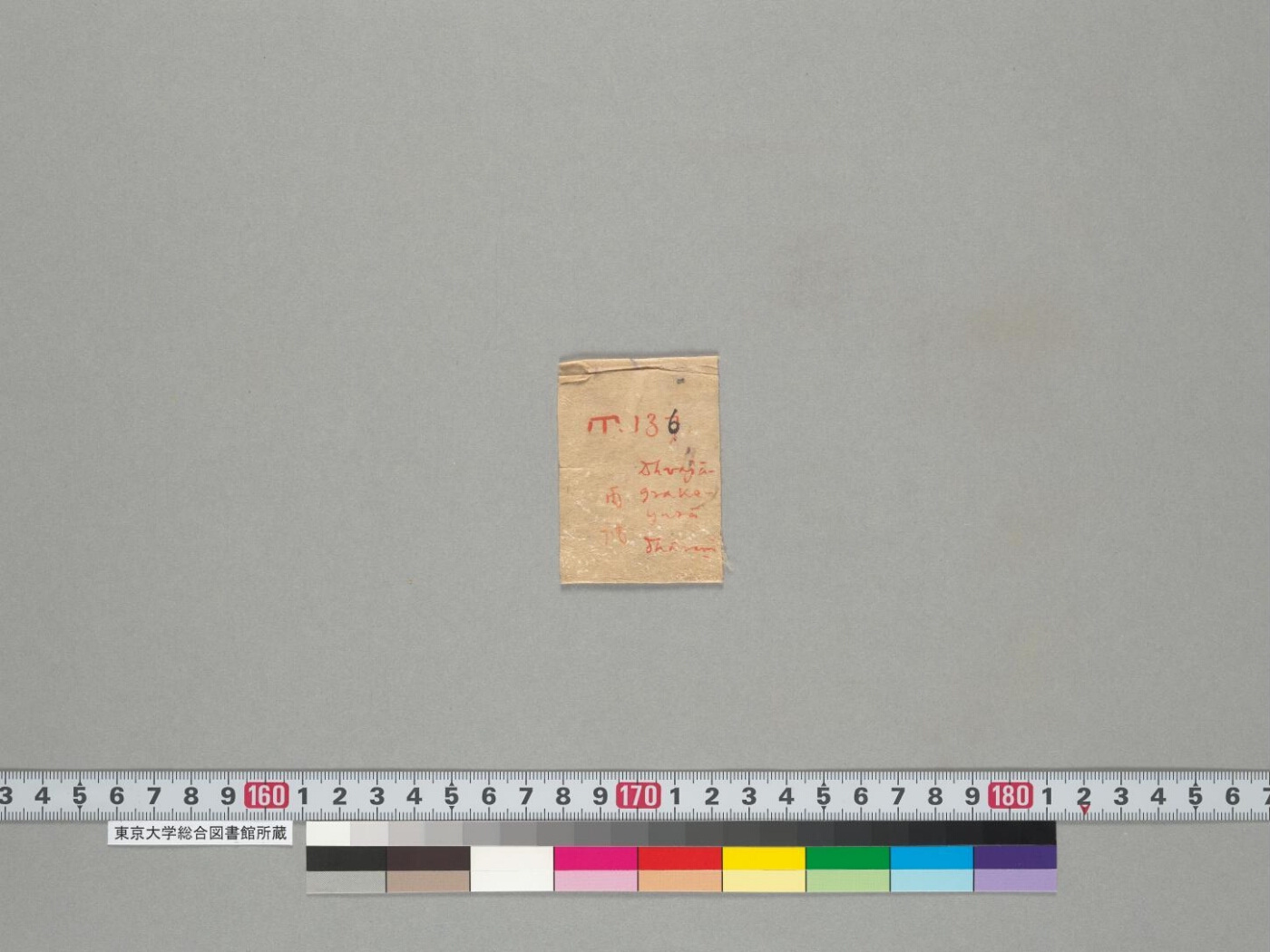 Loading Universal Viewer
Catalogue Metadata
| Title | Dhvajāgrakeyūrādhāraṇī and a dhāraṇī |
| Repository | General Library, The University of Tokyo |
| Reference Number | matsunami_203 |
| Collection | Kawaguchi Ekai Collection |
| Language | Sanskrit |
| Script | Nepālākṣara |
| Subject Classification | Dhāraṇī |
| Date | Date not listed |
| Place of Origin | Japan |
| IIIF Manifest | Public IIIF manifest available |


