Bodhicaryāvatāra
matsunami_264 · General Library, The University of Tokyo
Introduction
About this Manuscript
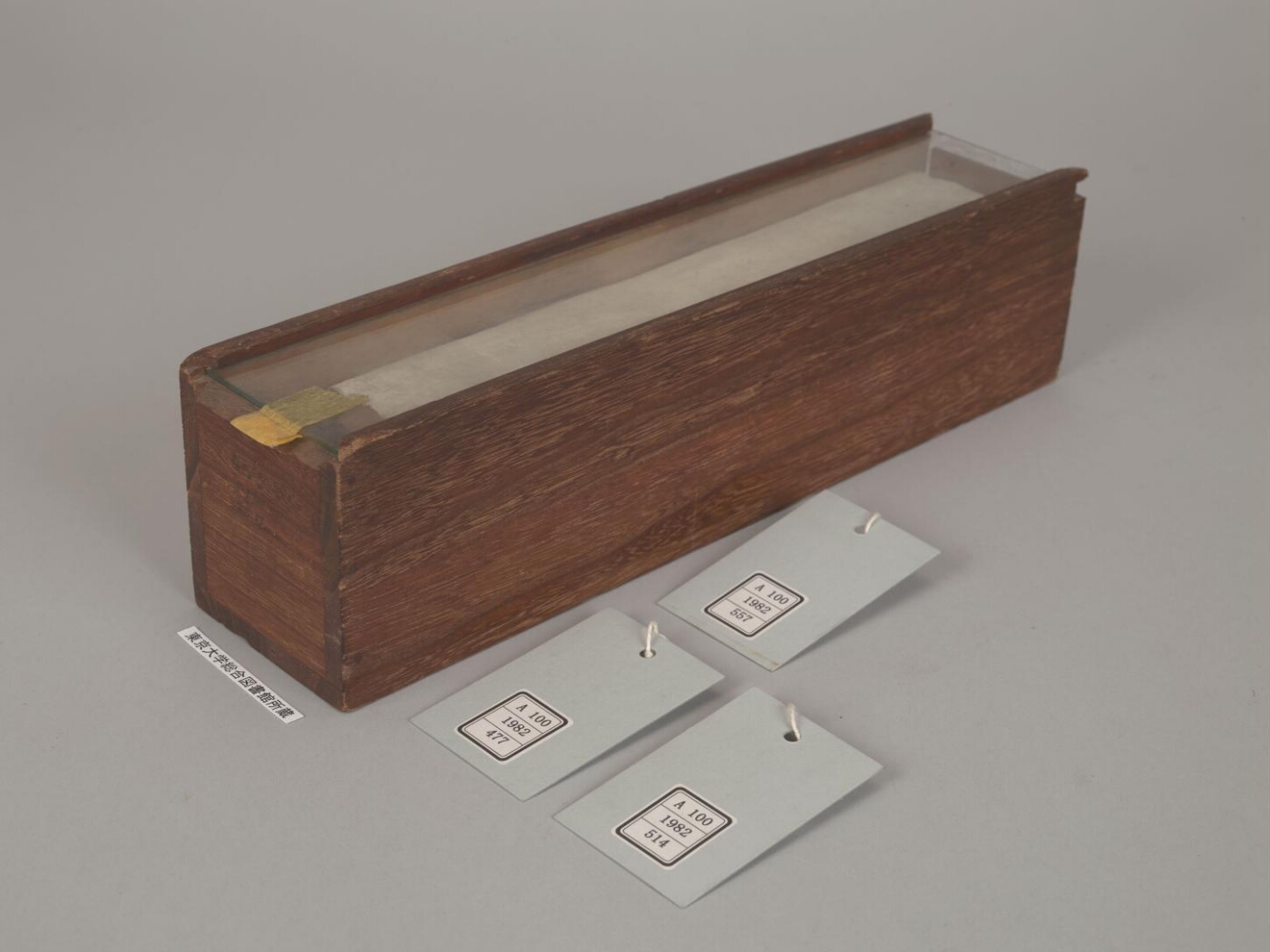
The Bodhicaryāvatāra, composed by the eighth-century Nalanda monk Śāntideva, is a key Mahāyāna Buddhist text outlining the Bodhisattva path. Written in verse, it is structured around the six perfections (pāramitās) and divided into ten chapters, covering topics such as ethical discipline, meditation, and wisdom. The ninth chapter expounds the Mādhyamaka doctrine of emptiness (śūnyatā), a core Mahāyāna philosophical concept. Śāntideva claims no originality, stating that his verses follow Mahāyāna sūtras (Wallace & Wallace, p. 15). This manuscript contains two fragments of the Bodhicaryāvatāra. Matsunami outlines the contents with their corresponding folio numbers in his notebook 24, pp. 50–67. The manuscript is fragmented and damaged, with many missing pages and some sections rendered illegible due to deteriorated writing. This is a damaged manuscript with folia 1,3, 5-8, 33, 40-43, 56, 62-66 missing.
Digital Facsimile Viewer
 Loading Universal Viewer
Catalogue Metadata
| Title | Bodhicaryāvatāra |
| Repository | General Library, The University of Tokyo |
| Reference Number | matsunami_264 |
| Collection | Takakusu Junjiro Collection |
| Language | Sanskrit |
| Script | Nāgarī, with second to last folio switching to Bhujinmol and then back to Nāgarī |
| Subject Classification | kāvya |
| Date | Date not listed |
| Place of Origin | Japan |
| IIIF Manifest | Public IIIF manifest available |


