Composite text
matsunami_437 · General Library, The University of Tokyo
Introduction
About this Manuscript
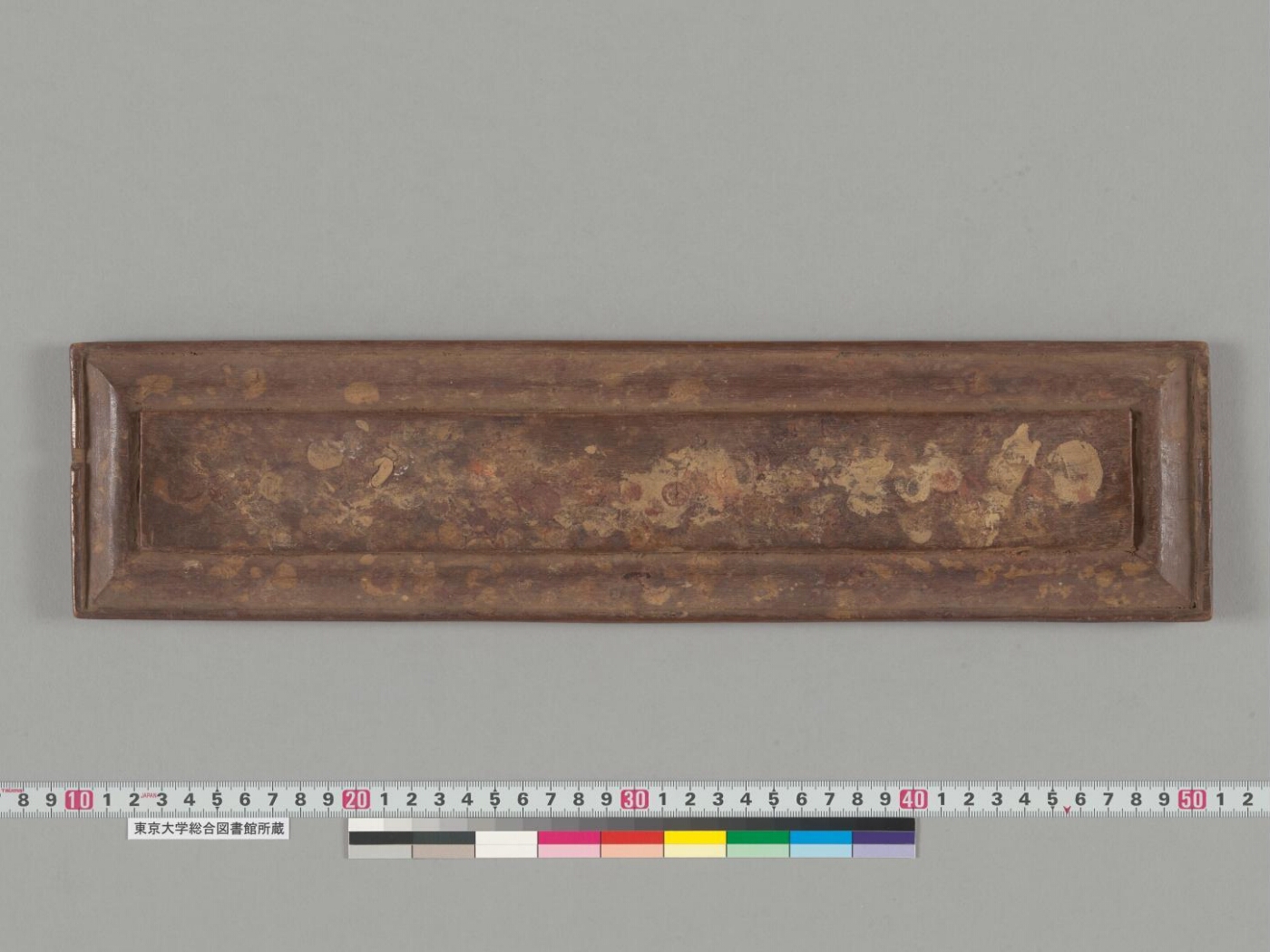
The Guhyasamājatantra is one of the earliest Buddhist tantras of the Vajrayāna school. According to Tibetan traditions, it originated in South India. The text is divided into two parts: the Pūrvārdha, consisting of 18 chapters (Paṭalas) and also known as the Aṣṭādaśapaṭala, and the Uttarārdha or Aparārdha, which contains 15 Paṭalas and is considered spurious (NCC). In this manuscript, the Pūrvārdha (18 Paṭalas) ends on folio 83a2. The Parārddha begins on folio 84b1, where a gap appears for an illustration, and continues until folio 236a4. Leaves from folio 205 to the end are damaged at the right corner, and in some places toward the end, the text is difficult to read. The manuscript includes an illustration of a twelve-armed, four-headed blue deity holding a ḍamaru (hand drum) in one of its hands on fol 1b.
Digital Facsimile Viewer
 Loading Universal Viewer
Catalogue Metadata
| Title | Composite text |
| Repository | General Library, The University of Tokyo |
| Reference Number | matsunami_437 |
| Collection | Kawaguchi Ekai Collection |
| Language | Sanskrit |
| Script | Nepālākṣara |
| Subject Classification | Buddhist tantra |
| Date | Date not listed |
| Place of Origin | Japan |
| IIIF Manifest | Public IIIF manifest available |


