Kāraṇḍavyūhanāmamahāyānasūtraratnarāja
matsunami_88 · General Library, The University of Tokyo
Introduction
About this Manuscript
The Kāraṇḍavyūha is an early Mantrayāna sūtra and the source of the famous mantra Oṃ maṇi padme hūṃ. This sūtra holds particular significance, as the mantra has become central in the Tibetan Buddhist tradition, especially among the lay population. It also chronicles the transformation of Avalokiteśvara into the most prominent figure in the Buddhist pantheon, surpassing all other buddhas, not to mention bodhisattvas. In this sūtra , Avalokiteśvara is described as residing in Sukhāvatī, where he serves as a messenger and gift bearer for Amitābha. In a series of interwoven narratives, the sutra details Avalokiteśvara 's activities across various realms and the infinite realms contained within the pores of his skin. He is also portrayed as superior to all buddhas, creating a paradoxical status where he simultaneously holds both a subservient and dominant role.(Trans. Peter Alan Roberts and Tulku Yeshi, intro). After the colophon, this manuscript contains a small text, which appears to be a prayer for the Mahāyānasūtra. This section of the text is written differently and has new folio numbers (1a, 1b, 2a, and 2b), but the text ends on folio 2a. This manuscript was written at Hemavarṇamahāvihāra.
Digital Facsimile Viewer
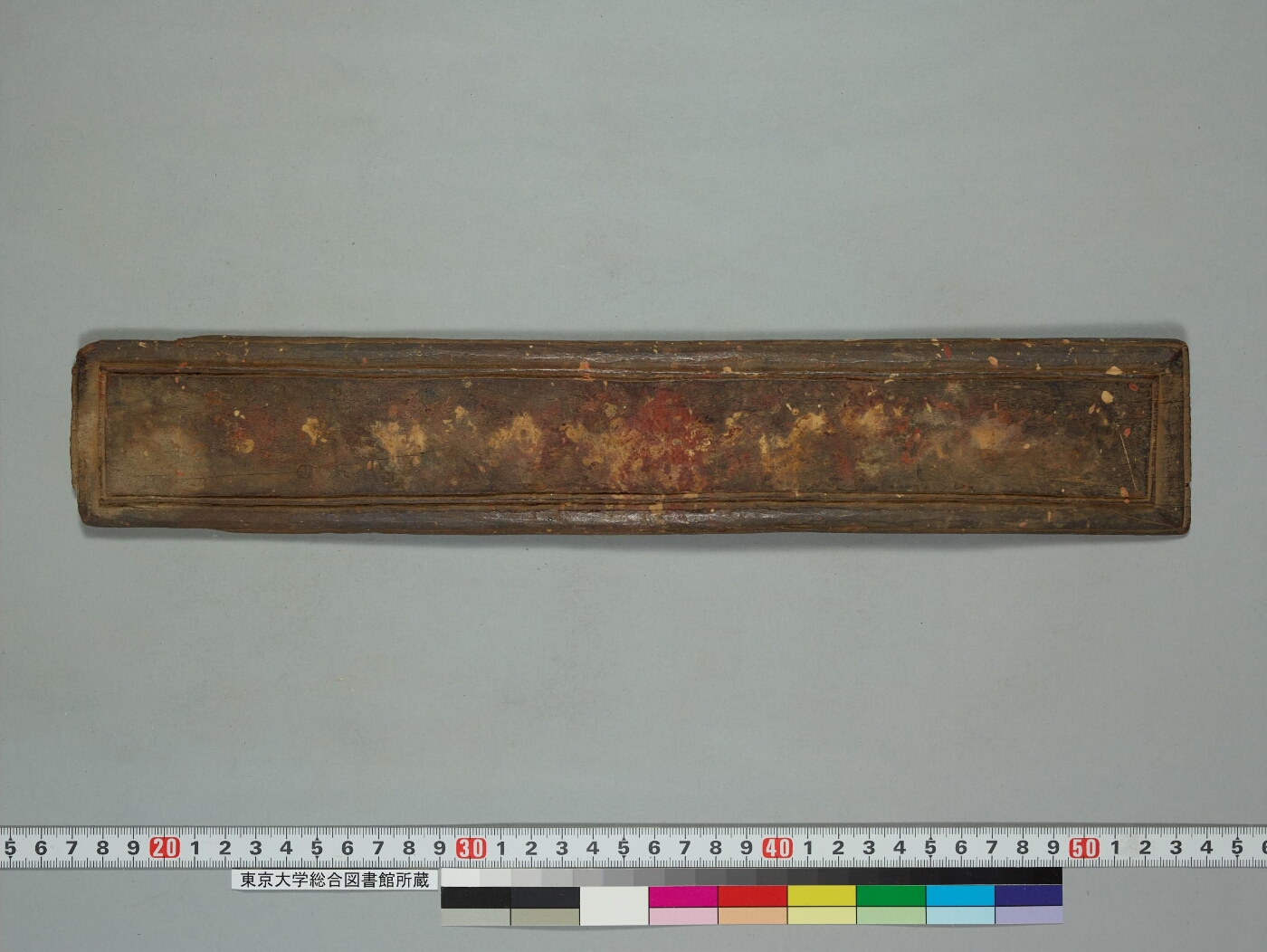 Loading Mirador Viewer
Catalogue Metadata
| Title | Kāraṇḍavyūhanāmamahāyānasūtraratnarāja |
| Alternative Titles | Guṇakāraṇḍavyūha, Avalokiteśvaraguṇakāraṇḍavyūha |
| Repository | General Library, The University of Tokyo |
| Reference Number | matsunami_88 |
| Collection | Kawaguchi Ekai Collection |
| Language | Sanskrit |
| Script | Nepālākṣara |
| Subject Classification | Mahāyānasūtra |
| Date | Date not listed |
| Place of Origin | Japan |
| IIIF Manifest | Public IIIF manifest available |


