Śṛṅgabheryavadāna
matsunami_390 · General Library, The University of Tokyo
Introduction
About this Manuscript
Also known as the Lakṣacaityavratakathā, this narrative centers on a ritual devoted to the worship of stupas and is rooted in an avadāna framework. It includes descriptions of the Caityasaṃvara and the Śṛṅgaghoṣā (Śṛṅgabherī) rites. These rites were explained to King Aśoka by the monk Upagupta, who stated that they had originally been taught by the Buddha himself at the request of Śāriputra. The first rite involves the daily dedication of one or more miniature stupas (caityas) until the total number reaches one hundred thousand. These models may be made of cow-dung, clay, sandstone, or metal, depending on the dedicator’s means. This practice was said to have first been prescribed by the former Buddha Vipāśyin to a prince named Pradīpaketu. When the rite is performed beginning on the first day of the month of Śrāvaṇa (July–August), accompanied by the music of a golden horn and other instruments, it is called Śṛṅgabherī. (Mitra, 229)
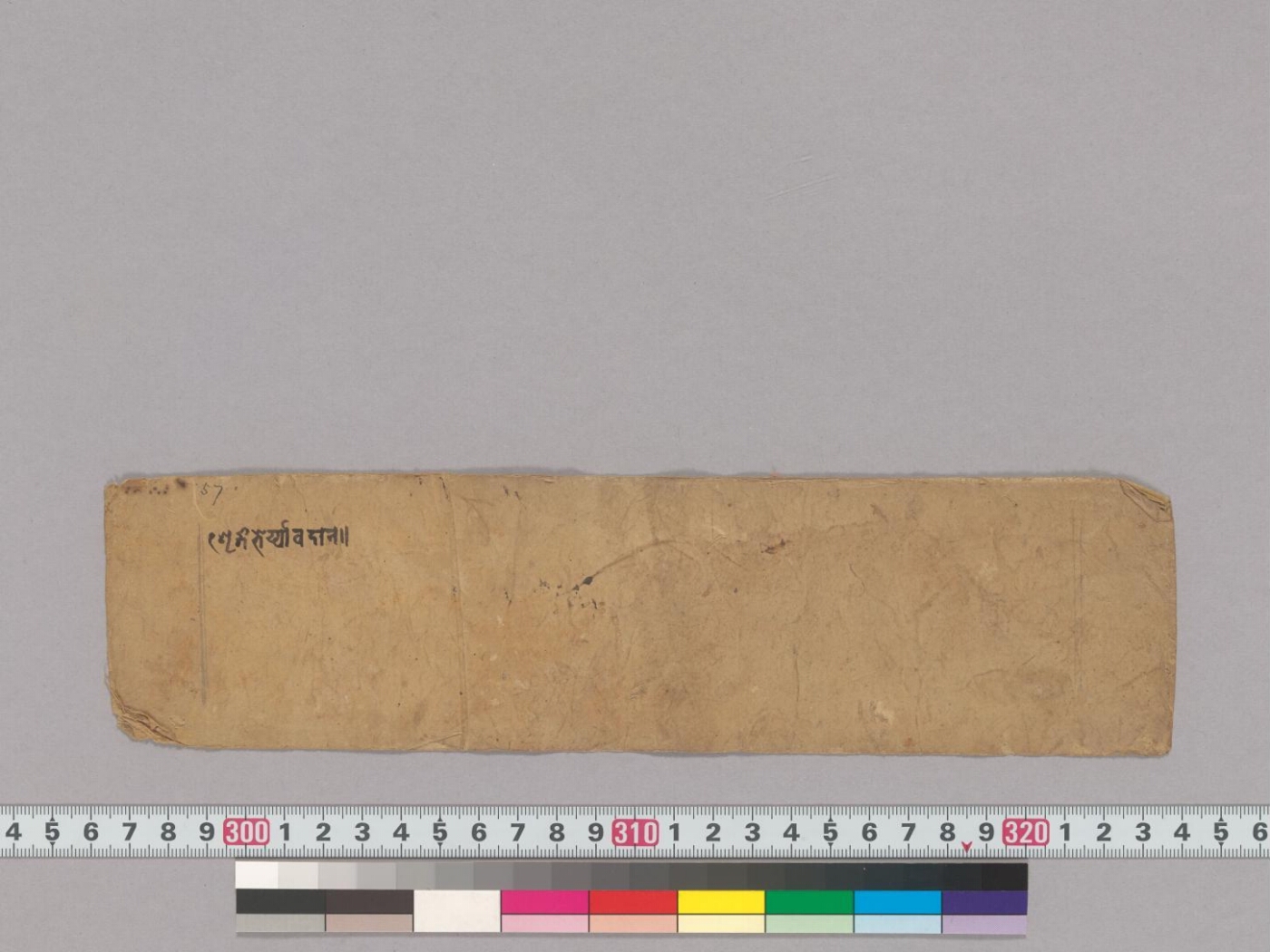
Digital Facsimile Viewer
 Loading Mirador Viewer
Catalogue Metadata
| Title | Śṛṅgabheryavadāna |
| Repository | General Library, The University of Tokyo |
| Reference Number | matsunami_390 |
| Collection | Takakusu Junjiro Collection |
| Language | Sanskrit |
| Script | Nepālākṣara |
| Subject Classification | Avadāna |
| Date | Date not listed |
| Place of Origin | Japan |
| IIIF Manifest | Public IIIF manifest available |


