Description
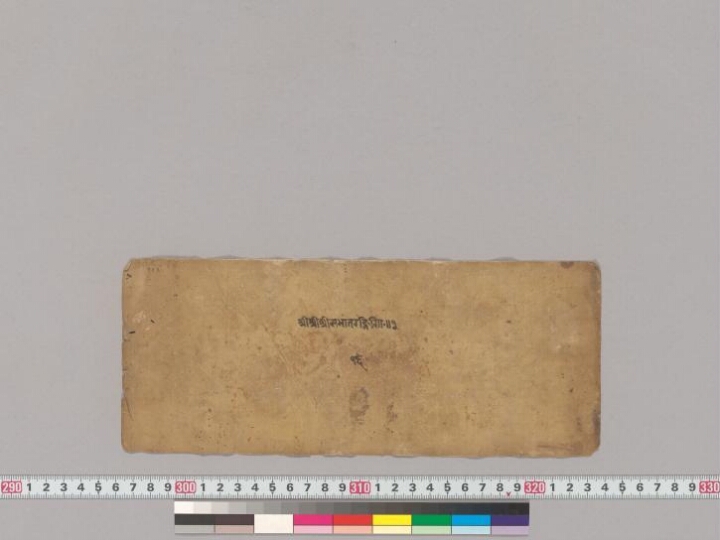
The Sabhātaraṅgiṇī, also known as the Sabhātaraṅga, is a Sanskrit literary work attributed to Jagannāthamiśra, a member of the Rāḍhī family and descendant of Lakṣmaṇamiśra and Vedamiśra. While it is generally dated to around 1600 CE, a manuscript colophon indicates a compilation date of 1516 CE. The text is organized into sections called taraṅgas (“waves”) and comprises approximately 350 verses. This work explores a range of themes, including the praise of virtue, condemnation of wickedness, migration, eulogies of various social orders such as kāyasthas, brāhmaṇas, and kings. It also features vivid descriptions of elements of nature—such as the bhramara (bee), cātaka (rainbird), and the moon—and critiques of social issues like poverty and begging. (NCC) Through these verses, it gives advice, suggestions and knowledge, like other subhāṣitā anthologies. These various topics are highlighted with red ink. The final folio of the manuscript (fol. 116a) is noted to be flipped. The Sabhātaraṅgiṇī belongs to the tradition of subhāṣitā anthologies and is frequently cited for its pithy aphorisms.
Manuscript Images
Public image preview
Additional Metadata