Description
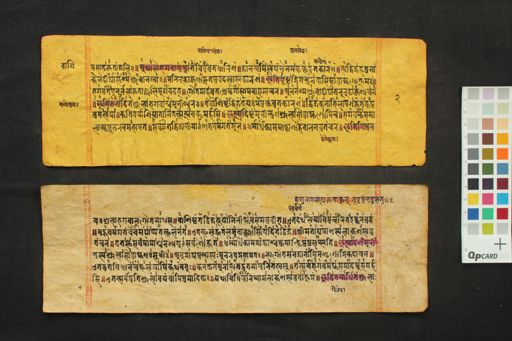
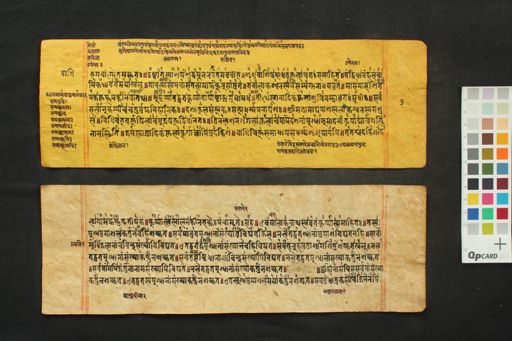
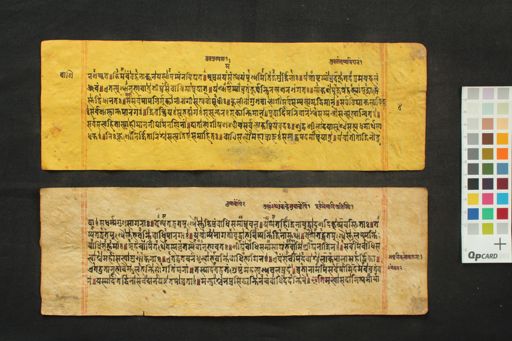
Poṣadhāvadāna is a short work belonging to the Avadāna literature that emphasizes the significance of upoṣatha as a practice of aspiration and the strengthening of śīla (morality). In the narrative, King Aśoka asks his teacher Upagupta about the method and significance of observing upoṣatha. In response, Upagupta recounts an episode from the Buddha’s visit to Kapilavastu, where a brāhmaṇa named Vasiṣṭha posed the same question. The Buddha then expounded the importance of śīla and explained upoṣatha as a practice conducive to its cultivation. Dedicated to Avalokiteśvara, the observance of upoṣatha on the eighth lunar day (aṣṭamī) continues to be a well-preserved cultural tradition in Newar Buddhism.
Manuscript Images
Public image preview

Additional Metadata