Description
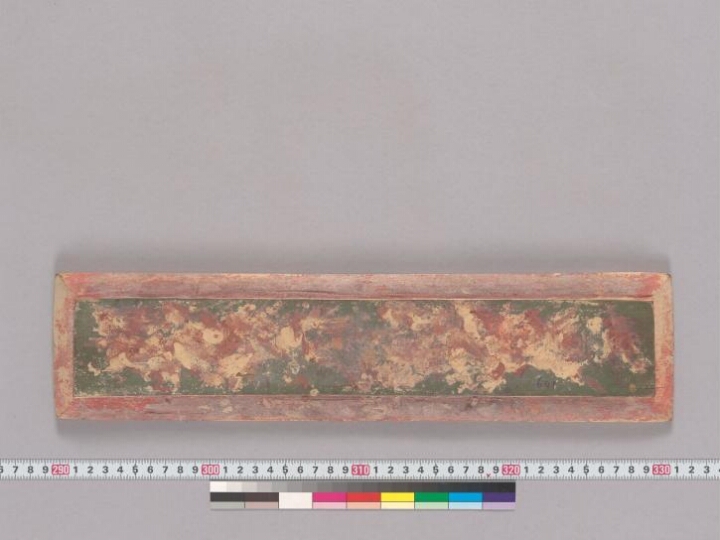
The Guhyasamājatantra is one of the earliest Buddhist tantras associated with the Vajrayāna tradition. According to Tibetan sources, it originated in South India. The text is divided into two parts: the Pūrvārdha, also known as the Aṣṭādaśapaṭala ("Eighteen Chapters"), and the Uttarārdha or Aparārdha, which consists of fifteen chapters and is often considered spurious (see NCC). This manuscript includes both the Pūrvārdha and the Parārdha. The folios are marked with printed stickers bearing Roman numerals. The upper wooden cover is painted with the Eight Auspicious Symbols (aṣṭamaṅgala) of Buddhism. The final folio 160b contains some Tibetan letters at the end.
Manuscript Images
Public image preview
Additional Metadata