Description
A collection of five Dhāraṇī texts, contains spells for praising various Buddhist deities. It includes:
Āryyavasudhārānāma-dhāraṇī (f. 1b–3a): This text contains verses of salutation to the goddess Vasudhārā.
Vajravidāraṇa-hṛdayamūlamantra (f. 4a–5b): This text contains spells praising the god Vajra.
Gaṇapati-hṛdaya (f. 6b–8a): This text begins with a story in which Lord Buddha resides in Rājagṛha and gives teachings to his close disciple, Ānanda (Dhāraṇī Sūtras, Gergely Hidas).
Uṣṇīṣa-vijayānāma-dhāraṇī (f. 8b): This text is incomplete, as only one folio survives.
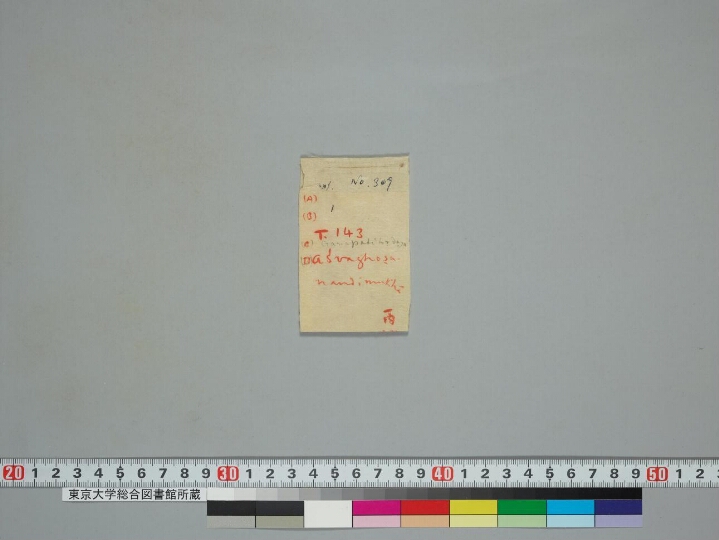
Following this is the Aśvaghoṣa-nandimukhāvadāna (f. 1–19a), although several folios are missing: 3, 5, 6, 7, and 8.
The manuscript includes illustrations of the five deities to whom each text is dedicated. Folio 1b features Jambhala; 4a depicts Vajravidāraṇī; 6a shows Gaṇapati; 8a depicts Uṣṇīṣavijayā; and 1b also features Vasudhārā. This text is similar to Sl. no. 191.
Āryyavasudhārānāma-dhāraṇī (f. 1b–3a): This text contains verses of salutation to the goddess Vasudhārā.
Vajravidāraṇa-hṛdayamūlamantra (f. 4a–5b): This text contains spells praising the god Vajra.
Gaṇapati-hṛdaya (f. 6b–8a): This text begins with a story in which Lord Buddha resides in Rājagṛha and gives teachings to his close disciple, Ānanda (Dhāraṇī Sūtras, Gergely Hidas).
Uṣṇīṣa-vijayānāma-dhāraṇī (f. 8b): This text is incomplete, as only one folio survives.
Following this is the Aśvaghoṣa-nandimukhāvadāna (f. 1–19a), although several folios are missing: 3, 5, 6, 7, and 8.
The manuscript includes illustrations of the five deities to whom each text is dedicated. Folio 1b features Jambhala; 4a depicts Vajravidāraṇī; 6a shows Gaṇapati; 8a depicts Uṣṇīṣavijayā; and 1b also features Vasudhārā. This text is similar to Sl. no. 191.
Manuscript Images
Public image preview
Additional Metadata