Description
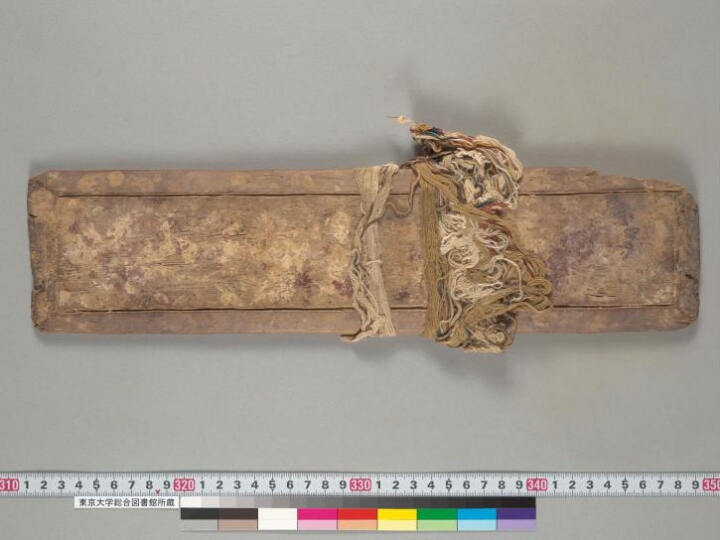
This is a composite manuscript containing three different texts.
The first work is Dvāviṃśatyavadānakathā, a compilation of Buddhist birth stories of relatively late origin—much of which, particularly the prose sections, was borrowed from the Avadānaśataka (Turner & Turner, Collected Papers 1912–1973, 1975, p. 11). This manuscript contains 22 chapters.
The manuscript includes the following chapters:
Ṣaḍgatisaṃsārakathā (f.3b); Daśākuśalakathā (f.4b); Puṇyaprotsāhanakathā (f.5b); Dharmaśravaṇaprotsāhanakathā (f.6a); Manuṣyakathādullabha durlabhakathā (f.6b); Dānakathā (f.8a);Puṇyakāma (f.12b); Kuṃkumādidānakathāparivartta (f.39a); Chatradānakathā (f.43b); Dhātvāvaropanakathā (f.51b); Maṇḍalakathā (f.57b); Bhojanakathā (f.61b); Vastrakathā (f.70b); Puṣpakathā (f.75b); Praṇāmakathā (f.82b); Ṣoḍaśapariccheda (chapter title missing) (f.83b); Ujvālikādānakathā (f.88b); Vihāradānakathā (f.98b); Suvarṇābhāvadāna (f.102b); Vapuṣmānavadāna (f.105b); Candanāvadāna (f.109a); Dānakathā (f.119b).
Fols. 22–26, 28–33, 66, 68, 94, 95, and 120 are missing (Matsunami, 1965, p. 75). This text is similar to Sl. Nos. 180, 181, and 182; however, the chapter titles and their arrangement differ. In the colophon, the scribe mentions his family lineage: his grandfather was Vajrācāryya Bhāju Siṃha, who resided in Tarumūla Mahāvihāra in Kathmandu, and his father was “Thākula Siṃha” (Ṭhākura Siṃha).
The second work is Yajñādikṛtapuṇyakathā, written in a different handwriting and with separate pagination. This text explains yajña and dāna, along with their benefits.
The third work is an incomplete text dealing with vidhi. It is written in the same handwriting as the second text, and the pagination continues from the second work.
The first work is Dvāviṃśatyavadānakathā, a compilation of Buddhist birth stories of relatively late origin—much of which, particularly the prose sections, was borrowed from the Avadānaśataka (Turner & Turner, Collected Papers 1912–1973, 1975, p. 11). This manuscript contains 22 chapters.
The manuscript includes the following chapters:
Ṣaḍgatisaṃsārakathā (f.3b); Daśākuśalakathā (f.4b); Puṇyaprotsāhanakathā (f.5b); Dharmaśravaṇaprotsāhanakathā (f.6a); Manuṣyakathādullabha durlabhakathā (f.6b); Dānakathā (f.8a);Puṇyakāma (f.12b); Kuṃkumādidānakathāparivartta (f.39a); Chatradānakathā (f.43b); Dhātvāvaropanakathā (f.51b); Maṇḍalakathā (f.57b); Bhojanakathā (f.61b); Vastrakathā (f.70b); Puṣpakathā (f.75b); Praṇāmakathā (f.82b); Ṣoḍaśapariccheda (chapter title missing) (f.83b); Ujvālikādānakathā (f.88b); Vihāradānakathā (f.98b); Suvarṇābhāvadāna (f.102b); Vapuṣmānavadāna (f.105b); Candanāvadāna (f.109a); Dānakathā (f.119b).
Fols. 22–26, 28–33, 66, 68, 94, 95, and 120 are missing (Matsunami, 1965, p. 75). This text is similar to Sl. Nos. 180, 181, and 182; however, the chapter titles and their arrangement differ. In the colophon, the scribe mentions his family lineage: his grandfather was Vajrācāryya Bhāju Siṃha, who resided in Tarumūla Mahāvihāra in Kathmandu, and his father was “Thākula Siṃha” (Ṭhākura Siṃha).
The second work is Yajñādikṛtapuṇyakathā, written in a different handwriting and with separate pagination. This text explains yajña and dāna, along with their benefits.
The third work is an incomplete text dealing with vidhi. It is written in the same handwriting as the second text, and the pagination continues from the second work.
Manuscript Images
Public image preview
Additional Metadata