Description
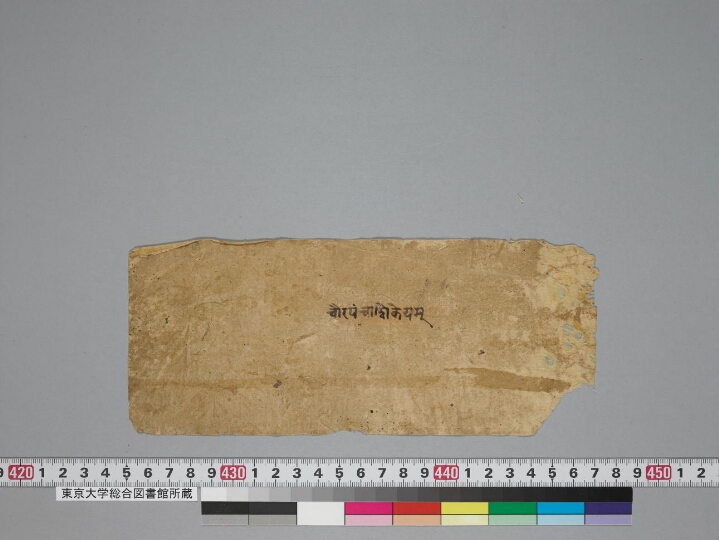
A Sanskrit kāvya composed of 50 lyrical verses, ascribed to Bilhaṇa, an 11th-century Kashmiri poet. However, it is sometimes also ascribed to Cora, Sundara, or Vararuci. In one South Indian version, it is embedded in the Bilhaṇakāvya. Only 33 verses are common to the Kashmir version and the South Indian version (NCC, Vol. 7, p. 88). The text describes a romantic legend of a princess and a poet. The poet was appointed as a teacher to the princess, but both became involved in a secret affair. After the king sentenced the poet to death as punishment, the poet began reciting the adyāpi verses (even now) while awaiting execution, celebrating his love. Due to the magical power of these verses, he was granted his life and the princess. Each verse of this text begins with the adyāpi verses (even now) and is voiced in the first person (Barbara Stoler Miller, 1971, pp. 2-3). This manuscript contains a commentary titled Vilāsijanakairavacandrikā by Gaṇapati son of Rāma Upādhyāya.
Manuscript Images
Public image preview
Additional Metadata